Sacred Vedic Arts
How can Radha and Krishna be in separation, yet never truly apart? This lies at the core of understanding Krishna love in Vrindavan, bringing us right to the heart of prema, pure love that wants only Krishna’s happiness.
The moods of Vraja are not ordinary sadness, ordinary longing, or ordinary romance. They are forms of divine love without even a tiny trace of selfish desire. Come, let’s sit with this mystery for a little while as a meaningful step on your spiritual journey.
Key Takeaways
- Prema (Pure Love): The love of the Vrajavasis and Radharani is completely selfless, desiring only Krishna’s happiness rather than any personal reward.
- Meeting and Separation: In Vrindavan, both meeting and separation are waves of the same divine river of love, where the pain of longing only deepens the sweetness of reunion.
- Intimacy over Awe: Unlike the majestic and royal atmosphere of Dvaraka, Vrindavan thrives on sweet intimacy, where devotees view Krishna as a friend, child, or beloved.
- Foundation of Tattva and Lila: True spiritual understanding combines philosophical truth (tattva) with divine pastimes (lila), ensuring a balanced and steady devotional practice.
- The Power of Chanting: Keeping the heart anchored through the constant chanting of sacred names brings the soul back to its eternal spiritual home.
Vraja Is Always Waiting for Krishna to Come Home
Even after a festival, when Lord Krishna is understood to be returning to Dvaraka, the Vrajavasis hold the same mood: “Krishna, please come back.” They never celebrate His leaving. In their hearts, He is always returning home.
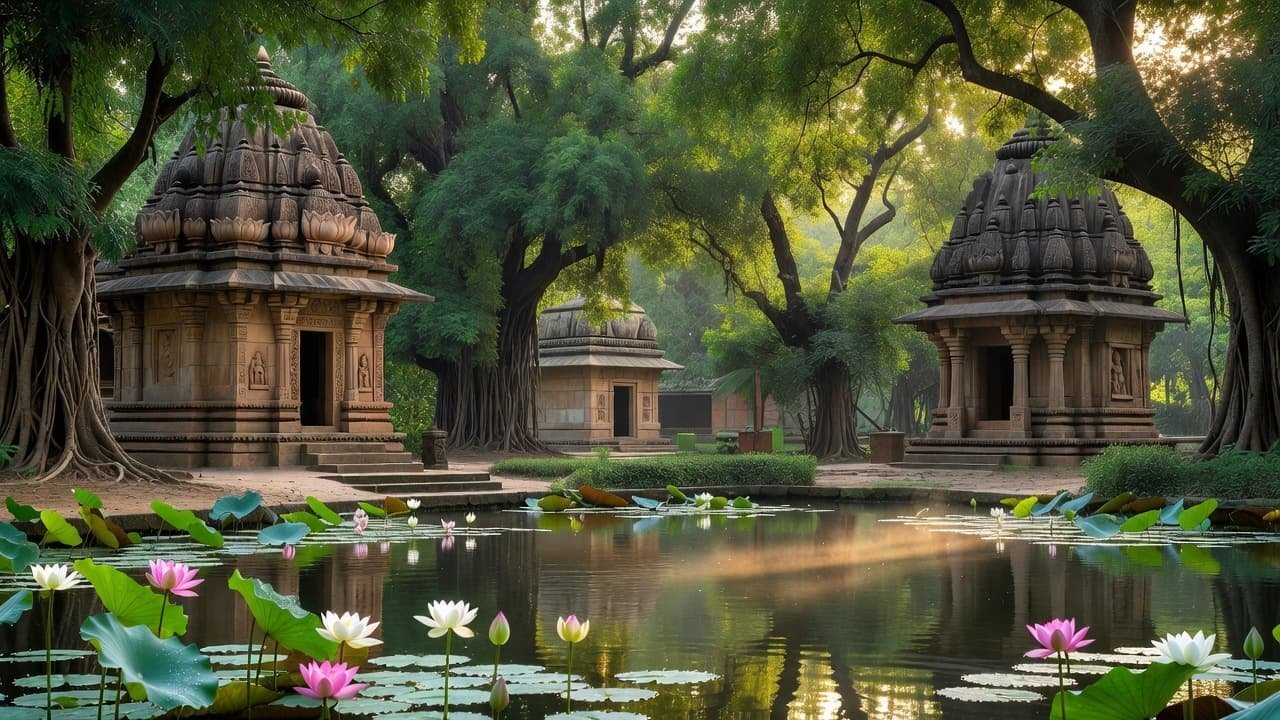
Why? Because they know His real home is Braj Bhoomi. It is the place of His most intimate loving exchanges, where Mother Yashoda worries if He has eaten enough, where His friends call Him out to herd the cows, and where every tree seems to be waiting for the sound of His flute.
Their call, “Come back, Krishna,” can sound like a desire for their own happiness. But prema has no such calculation. The Vrajavasis know Krishna weeps in Dvaraka. Their only wish is to see Him happy, which forms the very essence of devotional service.
Pure love does not ask, “What can I get from Krishna?” It asks, “How can Krishna be happy?”
The River of Prema Has Two Banks
Meeting and separation are both found within the river of divine love. The teachers describe four forms of separation:
- Purva-raga, longing before a meeting
- Mana, loving sulking or displeasure
- Pravasa, separation caused by distance
- Prema-vaicittya, feeling separation even in the beloved’s presence
In Vrindavan, though, Radha and Krishna are never ultimately separated. Their eternal pastimes continue day and night. Think of the spiritual world as a house with many rooms. In one room, holy pastimes unfold endlessly as an expression of their eternal love. In another, Krishna departs for Mathura and Dvaraka, and the pastimes of outward separation unfold at the same time.
There is daily separation, too. Krishna leaves in the morning with the cows, and Mother Yashoda feels it. The gopis feel the pain of separation during these long hours. Yet Krishna’s cowherding day is also filled with secret meetings in the forest groves, including the sweet remembrance of the Raas Leela. By evening He returns to Nanda Maharaja’s home, while the gopis return to theirs. Love moves, meets, hides, longs, and meets again.
Radha’s Cooking and the Sweetness of Vraja
Radharani’s father, Vrishabhanu Maharaja, led another cowherd community and was a dear friend of Nanda Maharaja and Nand Baba. Their families knew one another well.
Radha Rani was blessed with an extraordinary boon: whoever ate the food she prepared would become strong and live a long life. Mother Yashoda knew of this sweetness and affectionately asked young Radharani to come each morning and cook for Lord Krishna.
It is such a simple picture, isn’t it? The Supreme Personality of Godhead, waiting for breakfast made by the one who loves Him most.
Later, Radharani is described as being married to Abhimanyu. This brings us to parakiya-rasa, the mood of loving Krishna as one who is outwardly married to another. In the material world, this kind of relationship is tangled in selfishness and harm. In Krishna’s eternal pastimes, it is described as completely pure, free from material desire, and full of spiritual ecstasy.
Vrindavan and Dvaraka Reveal Different Moods
In Dvaraka, Lord Krishna is married to 16,108 queens. He has royal life, palaces, children, and the mood of majesty. The Dvaraka queens love Krishna as their husband, and there is great beauty in that relationship.
Vrindavan has another flavor. The sacred Krishna Leela celebrated here is more intimate, more covered by sweetness. While many famous Vrindavan temples and holy sites like the Banke Bihari temple highlight this devotion, the Vrajavasis don’t spend their days thinking, “Krishna is God.” They think, “Krishna is my son,” “Krishna is my best friend,” or “Krishna is my beloved.”
This is why Mother Yashoda can scold Krishna for eating dirt. When He opens His little mouth and she sees the entire universe, including herself looking into His mouth, her motherly love does not disappear. She thinks something strange has happened and wants protection for her precious boy.
Even when Krishna lifts Govardhan Hill on one finger, His friends raise their little sticks to help Him. What sweetness. They are worried He might drop it.
Govinda Bhashya and the Foundation of Tattva
Some devotees once questioned why Radha Rani stood beside Lord Krishna in the worship of Govindaji. They thought Krishna’s queen Rukmini should be there instead. Their concern came from viewing the divine pastimes through the laws and limits of this world.
Baladeva Vidyabhusana went to defend the Gaudiya Vaishnava understanding. The critics demanded a commentary on the Vedanta-sutra, even though the Gaudiyas accepted the Bhagavad Gita and Srimad Bhagavatam as Vyasa’s own natural commentaries on that work.
Baladeva prayed before Govindaji and composed the Govinda Bhashya. It is remembered that Govinda Himself guided the commentary. The opposing scholars were astonished, and the Gaudiya lineage was accepted.
The teaching holds both tattva, philosophical truth, and lila, divine pastimes. Tattva is the foundation of the temple, while lila is the beautiful temple built upon it. Without this foundation, someone may misunderstand Radha and Krishna’s love, and without the temple, philosophy can become dry and distant.
In tattva, all energies belong to Krishna, and Radharani is His eternal internal potency. Grounding your devotional practice in these truths fosters steady spiritual growth, ensuring that apparent obstacles in lila only make the sweetness of love blossom in ever-new ways.
This World Gives Relief, Not Lasting Happiness
Material happiness can feel good, of course. Nobody has to pretend a warm meal, a kind friend, or a sunny morning is miserable. But the teaching here is that worldly happiness is temporary relief within a place where everything changes.
Like stepping inside during a snowstorm, you may feel warm for a moment. Still, the storm has not vanished. The body changes, relationships change, plans change, and death waits at the end of every material arrangement. True spiritual growth requires us to look beyond these fleeting comforts toward something permanent.
The spiritual world is different. There, suffering does not exist. Love, consciousness, and bliss increase forever. The joys and apparent sorrows of Vrindavan, where the cool breeze drifts across the Yamuna River, are not like the distress we know here. They are both waves in an ocean of love.
A bumblebee once described the clear water, lotus flowers, fruits, and beauty of Manasa-sarovara to a dung beetle. The beetle had known only a pile of dung, so naturally he asked, “Can I come with you?”
That is the work of sadhu-sanga, inspiring us to begin a true spiritual journey. A saintly person speaks and sings of Krishna’s beautiful home, and something in the heart says, “I want to go there too.”
Separation Makes Love More Sweet
Separation in Vrindavan is like cloth dipped again and again into dye. Each dip makes the color richer. In the same way, the pain of separation makes the experience of meeting fresh, intense, and ever-new.
Radharani sees Krishna everywhere in separation. A tamala tree has His dark complexion. A rain cloud recalls Him. Through this profound divine love, Krishna appears within her heart, and they meet there.
One of the sweet holy pastimes takes place at Prema Sarovara. Radha and Krishna sat together near the Yamuna River when a bumblebee came near Radharani’s lotus feet. Krishna’s friend Madhumangala chased it away and announced that Madhusudana is gone forever.
Madhusudana can mean the bee, but it is also a name of Krishna. Radharani heard that Krishna had left forever and fainted in grief, even while Radha and Krishna sat together and He held her. Seeing her love, Krishna also wept. Their tears are said to have formed that sacred lake.
Five Ways Love Approaches Krishna
The scriptures describe five main loving moods, or rasas, in relationship with Lord Krishna.
- Shanta is peaceful appreciation, like Prahlada Maharaja’s absorbed remembrance of the Lord.
- Dasya is service, like Hanuman’s wholehearted service to Lord Rama.
- Sakhya is friendship, like Krishna’s cowherd boys sharing lunch, wrestling, and making Him carry them when He loses a game.
- Vatsalya is parental love, seen in Nanda Maharaja and Mother Yashoda.
- Madhurya is the sweet love of Krishna’s beloveds, with Radharani at its center, ultimately finding its highest expression in the divine Raas Leela.
In moods of awe and reverence, devotees know, “God is so great, and I am so small.” During every sacred Krishna Leela in Vrindavan, that awareness is covered by intimacy. Krishna loves being treated as a friend, a child, and a beloved. No distance. No stiff formality. Just eternal love overflowing everywhere.
Keep Chanting and Share What You Have Heard
After a great festival, such as the vibrant gatherings during a festival of colors in Vraja, the mood is not only to pack up and go home. It is to glorify one another, remember what was heard, and carry it into ordinary life.
Chant Krishna’s names. Chant Rama’s names. Chant a name of God that brings your heart home. A room can change fast when sacred sound enters it, much like visiting peaceful Vrindavan temples or remembering the spiritual roots of Krishna Janmabhoomi after a long journey.
The instruction is sweet and plain: keep chanting, stay humble, and share Krishna consciousness with others, perhaps within the welcoming community of a local ISKCON temple. Not as a performance. Not as an argument. As an offering.
Frequently Asked Questions
Why do Radha and Krishna experience separation if they are eternally together?
Separation in Vrindavan is not ordinary sadness, but rather a profound spiritual mood that makes their love richer and more intense. Just as cloth dipped repeatedly in dye becomes more vibrant, the feeling of longing allows their divine love to shine with ever-new freshness.
What is the difference between the love in Vrindavan and the love in Dvaraka?
In Dvaraka, Lord Krishna is revered with majesty, royal splendor, and awe by His queens and subjects. In contrast, Vrindavan is characterized by intimate sweetness, where devotees relate to Krishna as a child, friend, or beloved without any stiff formality.
What is parakiya-rasa in the context of Krishna’s pastimes?
Parakiya-rasa is the elevated spiritual mood of loving Krishna as one who is outwardly married to another. In the spiritual world, this relationship is completely pure, free from material selfishness, and filled with the highest spiritual ecstasy.
Why are tattva and lila both important in spiritual practice?
Tattva represents the philosophical truth or foundation, while lila represents the divine pastimes built upon it. Without tattva, devotion can become misguided, and without lila, philosophy can become dry and distant; together, they create a complete path of spiritual growth.
Let the Heart Remember Its Home
The Vrajavasis teach us that longing for Krishna is not empty longing. It is love looking toward its own eternal home, much like visiting sacred Vrindavan temples where every stone and feature of temple architecture reflects eternal realities.
Radha and Krishna’s meeting and separation are both made of prema. One gives the joy of being together, while the other allows this divine love to shine with a color the heart never wants to lose.

TLTRExcerpt
TLTR
Excerpt
Explore Krishna love in Vrindavan, where Radha and Krishna’s separation deepens selfless prema and makes each reunion sweeter.
Recent Posts

Remembering Srila Prabhupada Among the Trees On His Appearance Day
A Dying Squirrel Heard the Hare Krishna Maha-Mantra
When Coyotes Join the Hare Krishna Maha Mantra Chant

Can Rabbits Hear the Hare Krishna Maha Mantra? One Evening Chant in Southern Ontario

We Chanted With Seals, Then Nearly Burned Our Toes
Categories
Share
Recent Posts